How to Get Started with Trezor: A Simple Guide
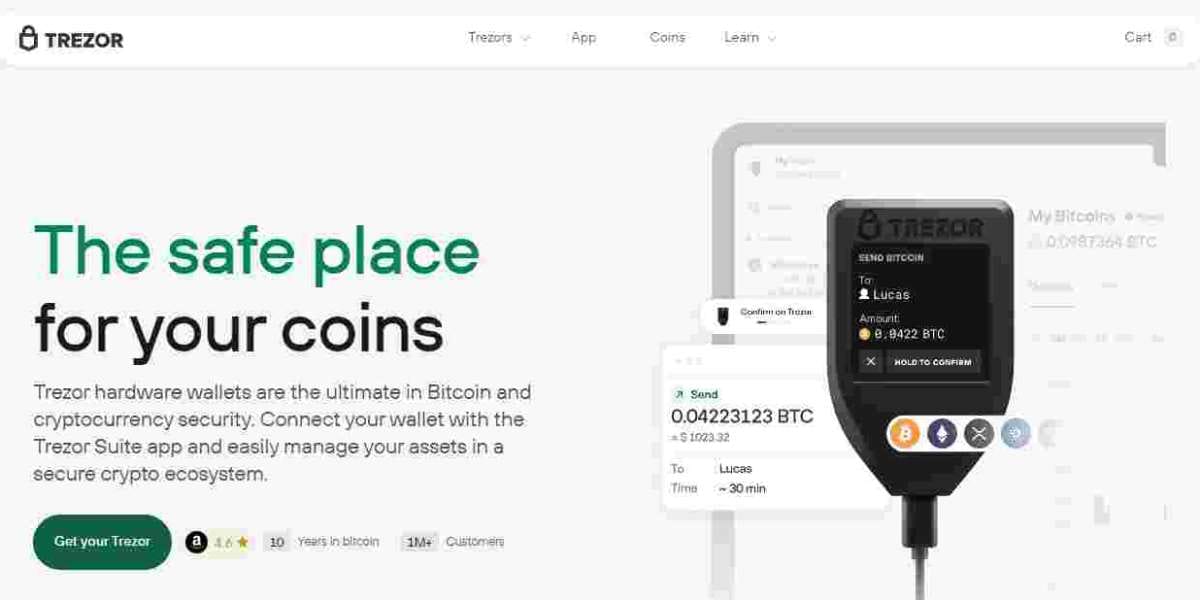
The first time you buy a hardware wallet, it feels a bit like unboxing a new phone or laptop—equal parts excitement and nerves. With crypto, the stakes are even higher. One wrong move, and "Oh, I’ll just reset my password" is not an option. That’s where Trezor steps in, making self-custody less intimidating and a lot more secure.
So, you’ve got your shiny new Trezor in hand. Now what? Let’s walk through the setup using trezor.io/start.
Step 1: Download Trezor Suite
Your journey begins with the Trezor Suite app. This is where all the action happens—checking your balance, sending and receiving coins, exploring your transaction history. Think of it as your crypto home base. Head to trezor.io/start and download the Trezor Suite app for your computer. If you’re the kind of person who doesn’t want to install anything, there’s a web app, too—just click “Continue in browser”.
Step 2: Install the App (If You’re Using Desktop)
If you chose the desktop route, go ahead and install the app on your machine. For web users, you can skip this bit. Either way, you end up in the same place: ready to set up your Trezor device.
Step 3: Setting Up Your Trezor Device
Now the fun (and slightly nerve-wracking) part: setup. Plug in your Trezor via USB. The on-screen steps guide you through the process—creating a new wallet, setting a PIN, and most importantly, writing down your recovery seed. Give yourself about 15 minutes for this. It’s not something you want to rush. Treat that seed phrase like the keys to your kingdom: write it down, check your handwriting, and store it somewhere nobody can accidentally find (or spill coffee on).
After setup, you’re in business—and in control. No more trusting exchanges to stay solvent or "hot wallets" to not get hacked. Just you, your Trezor, and the satisfaction of knowing your crypto’s locked up tighter than your old high school diary.
=